Blanes old town: complete walking route 2026
Walking route through Blanes old town: church, market, fish auction, Gothic fountain and Renaissance palace. 2-hour route with practical tips.
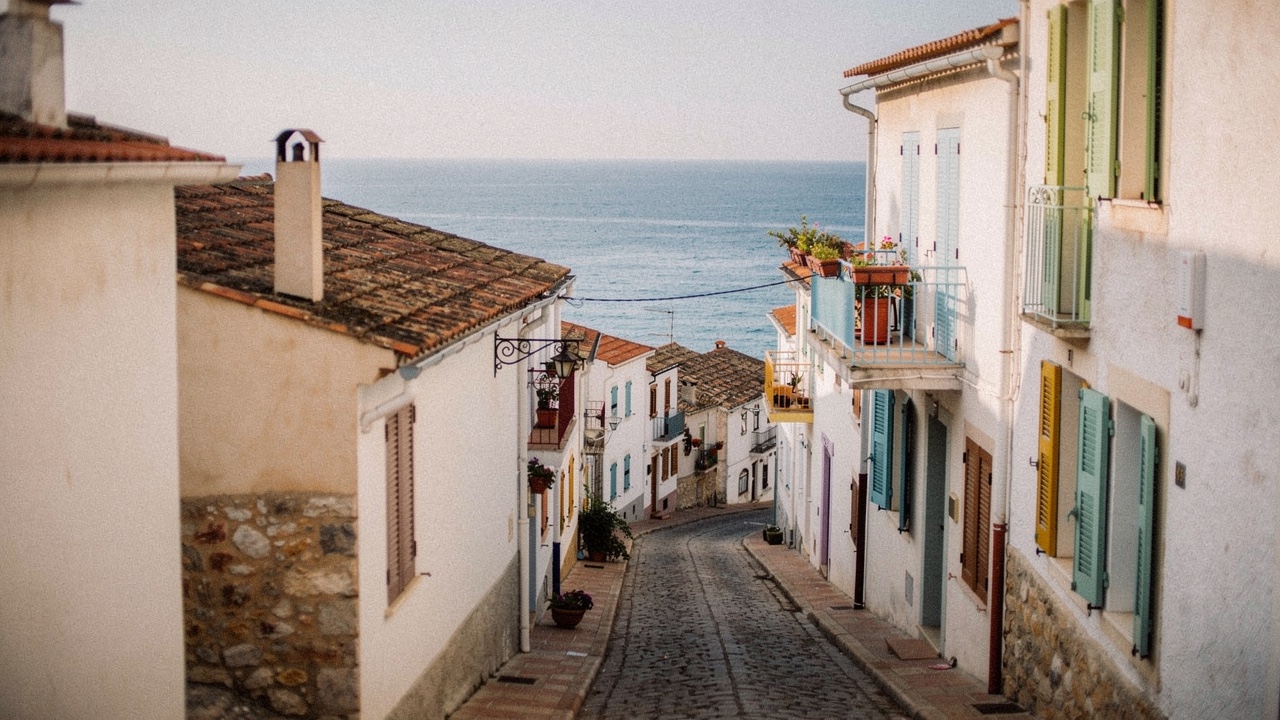
Hugging the fishing harbour, Blanes keeps a small but genuine medieval old town that survives between the modern tourist zones. An hour and a half on foot covers the essentials: the Gothic church, the medieval fountain, the fish auction, the Cabrera palace and a handful of narrow streets with white houses that still smell of salt.
This guide covers the route step by step, the practical detail (opening hours, access) and the corners most visitors miss.
What to know before starting
Blanes old town isn’t Girona or Tossa. It’s modest: a church, a fountain, a palace and narrow streets. You can cover it properly in 1.5–2 hours. It isn’t a cultural destination in itself, but it combines well with any other plan (beach, food, Marimurtra).
Best time is morning or late afternoon. At midday the narrow streets catch full sun and the shops close. In the afternoon the light is better for photos and there’s more local life around.
Comfortable shoes with non-slip soles. The streets have uneven cobblestones, some with a moderate slope.
Recommended route (1.5–2 hours)
Distance: ~2 km. Starts and ends at the Plaça de Catalunya (next to the town hall).
1. Plaça de Catalunya (start)
The town’s main square, with the town hall (20th-century building) and a few cafés. It’s the modern hub. Start here because it’s the easiest reference point.
2. Santa María parish church (5 min)
Heading up Carrer Anselm Clavé you reach the main church of Blanes:
- Built: 14th–15th century, Catalan Gothic
- Detail: hexagonal bell tower from the 18th century, rebuilt after the Spanish Civil War
- Access: free during services and tourist hours (typically 10:00–13:00 and 17:00–19:00)
- What to look at inside: Gothic altarpiece, Santíssim chapel, restored stained glass
After fires and rebuilds, what’s original is the structure and part of the apse; the rest is 20th-century restoration.
3. Gothic fountain (Font Gòtica) (3 min)
Next to the church, a 15th-century medieval fountain still in working order. Small but curious: it was the medieval town’s water supply and the fishermen used it before heading out to sea.
4. Carrer Ample and medieval houses (10 min)
The main street of the old town, with façades mixing restored medieval and 18th-century sailors’ houses. The interesting bits are in the detail: passages, coats of arms above doors, balconies with plants.
There are several local produce shops (Empordà wines, tinned fish, traditional pastries) worth a no-obligation look.
5. Palau dels Vescomtes de Cabrera (5 min)
A 16th-century Renaissance palace, partially preserved. It was the urban residence of the feudal Cabrera viscounts. Today it houses municipal offices and temporary exhibitions on the ground floor.
Access: free during exhibitions (administrative hours: 9:00–14:00 Mon–Fri).
What to look at: the façade with Renaissance details (arched windows, balconies), the inner courtyard when accessible.
6. Fish auction and fishing harbour (10 min)
Heading down to the sea you reach the still-active fishing harbour. The fish auction opens on days the fleet comes in (check the schedule by the entrance): you can watch the day’s catch being auctioned off.
It’s one of the most genuine corners: real fishermen, Blanes prawns arriving at the counter in crates, the shouts of the auction.
7. Sa Palomera (10 min)
Out of the harbour, the iconic rock outcrop that marks the official start of the Costa Brava. A small side walk, a photo from the northern end. The plaque explains that the Costa Brava coast officially begins here and runs all the way to Portbou on the French border.
8. Municipal market (15 min, optional)
If your visit lines up with the morning (Mon–Sat 8:00–14:00), the harbour municipal market is an honest stop. Day-fresh fish, Maresme vegetables, Girona cheese. Buy for a picnic or to cook if you have an apartment.
9. Back along the seafront (15 min)
Closing the route, you head back along the Pont d’en Burguès seafront to where you started. You pass the central Blanes beach (the small one, with boats hauled up on the sand) and return to the start.
Quick mental map
Plaça Catalunya (start)
    ↓ (5 min)
Santa María church
    ↓ (3 min)
Gothic fountain
    ↓ (10 min, Carrer Ample)
Cabrera palace
    ↓ (5 min)
Fish auction
    ↓ (10 min)
Sa Palomera
    ↓ (15 min, seafront)
Plaça Catalunya (end)
Best time to do the route
| Period | What to expect |
|---|---|
| Morning (10:00–13:00) | Shops open, market active, fresh light |
| 14:00–17:00 | AVOID (siesta, heat, shops closed) |
| Late afternoon (17:00–20:00) | Golden light, life on the streets, terraces open |
| Sunset | Romantic shot, town’s lights coming on |
Honest pick: morning with a stop at the market + late afternoon for tapas and sunset. If you’re only in for a half day, pick the afternoon.
Combine with other plans
- Full cultural morning: old town + Marimurtra (2–2.5 h) + lunch at the harbour. 5–6 hours in total.
- Cultural afternoon + sunset + dinner: old town at golden hour + dinner at a harbour restaurant + evening stroll.
- Extended cultural route: old town + walk up Castell de Sant Joan for sunset. Full day.
What to bring
- Comfortable shoes (non-slip soles)
- A water bottle (fountains have been restored; there’s a working one in Plaça Catalunya)
- Sunscreen (most of the route is in the sun)
- A camera (photogenic streets)
- Cash (small shops may not take card)
Where to eat during or after the route
The fishing harbour has the best concentration of fish restaurants. Suquet de peix (fish stew), fideuà, seafood paella, Blanes prawns. Typical set menu 18–25 €, à la carte 35–50 € per person. Full detail in the guide to where to eat fresh fish in Blanes.
Accessibility
Partial. The old town has cobbled streets and some slopes. For wheelchair users, the central sections are tricky. The most accessible parts: Plaça Catalunya, seafront, harbour.
Mostly car-free along the route (pedestrian zone or restricted traffic).
What most guides don’t tell you
1. The fish auction is a spectacle if you catch the fleet coming in (usually 15:00–17:00 when there’s a catch). Ask a fisherman if it’s a good day.
2. The small shops are worth the time — Maresme and Empordà produce at fair prices. Much better than tourist shops for a souvenir.
3. The Blanes Fire Festival (international fireworks competition) takes place in July. If it lines up with your visit, the old town turns into festival central with open-air bars.
4. The Cabrera palace lets you see temporary exhibitions for free. Worth a look even if there’s nothing specific on — the interior spaces have interesting architectural detail.
5. Sa Palomera at sunrise is one of the least touristy plans going. If you’re staying overnight, head up at sunrise (5:45–6:00 in summer) — you’ll have it to yourself and the light is perfect.
Frequently asked questions
How long does the full route take? 1.5–2 hours at a relaxed pace with stops. With market visit and a coffee or tapa, allow 3 hours.
Do I need to book a guided tour? No, the route works on your own with information panels. In summer the council runs free guided walks (check the schedule).
Is there parking nearby? The harbour car park and Plaça Catalunya car park are the most practical. Paid in peak season, free outside it.
Is it wheelchair-accessible? Partially. The harbour and seafront stretches yes; the medieval old town streets are uneven.
Are there public toilets along the route? Yes, at the harbour and at Plaça Catalunya. Most cafés will let you use theirs if you order something.
In short
The Blanes old town is a modest but genuine visit, ideal as a complement to any other plan in town. In 1.5–2 hours you cover the essentials and still have room for another activity. To get the best out of it, go morning or late afternoon (skip the midday lull), combine with the market or the fish auction, and finish with tapas at the harbour.
To round off the day with more local culture, follow on to the Marimurtra Botanical Garden or to Castell de Sant Joan with its panoramic view.