Museu del Mar in Lloret de Mar: visitor guide 2026
Museu del Mar in Lloret de Mar: 2026 opening hours and prices, what to see inside, the town's history and practical tips. Lloret's maritime memory.
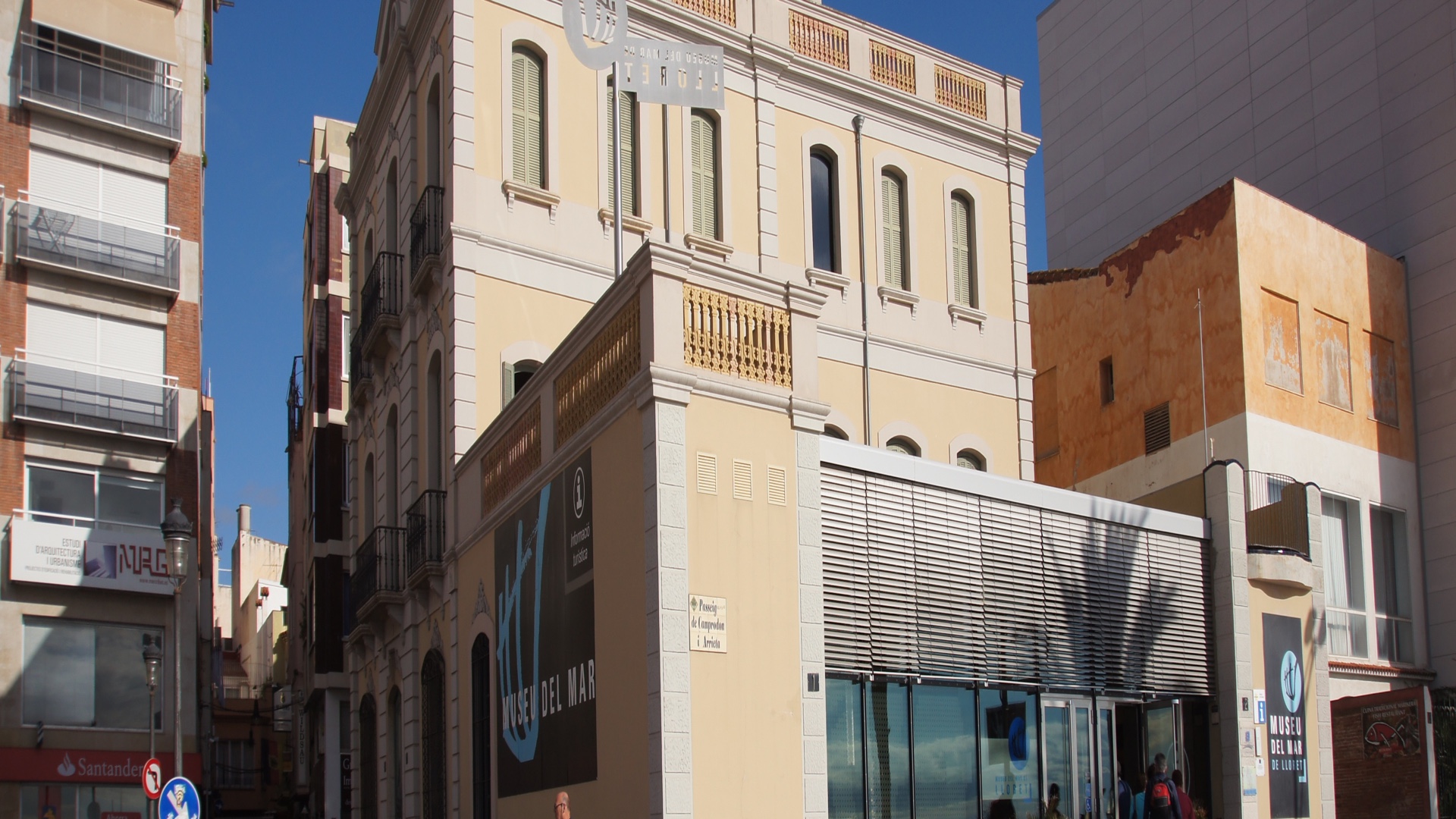
The Museu del Mar de Lloret de Mar is one of those places that gets overlooked between the beach tourism but tells the town’s most important story: its maritime past. Housed in the Casa Garriga, a 19th-century modernista building, the museum gathers Lloret’s naval heritage from the 18th to the 20th century, including the period when the town was one of the main departure points to the American colonies (Cuba in particular).
For anyone who wants to understand why Lloret is the way it is — its modernista houses, its emigrated sea captains, the “indianos” who came back rich — the Museu del Mar is the essential stop.
What to know before going
It’s a small museum, doable in 45–60 minutes. It isn’t the Louvre or the Prado: it’s a local history museum, educational, with permanent exhibitions plus rotating temporary ones.
It’s affordable and almost always empty. While the tourists stack up on the beach, here you’ll find quiet and the staff’s attention.
Information panels in Catalan, Spanish, French and English. The staff speak several languages.
2026 opening hours and prices
| Period | Hours |
|---|---|
| October–March | Tue–Sat 10:00–13:30 and 16:00–18:30 |
| April–September | Tue–Sat 10:00–13:30 and 17:00–20:00 |
| Sundays | 10:00–13:30 |
| Mondays | Closed |
Last entry: 30 minutes before each closing.
Prices (indicative):
- Adult: ~5 €
- Children 5–15: ~3 €
- Under 5s: free
- Seniors / students: discount
- Combined ticket with Santa Clotilde Gardens: ~9 € (saves ~2 €)
How to get there
On foot (the only real option)
Right in the centre of Lloret, above the seafront promenade, on Plaça de Pere Torrent. 5 minutes’ walk from the main beach. Direct pedestrian access.
Parking nearby
The central Lloret car park (paid zone). No on-site parking.
What to see inside: 4 main sections
1. The Casa Garriga (the building itself)
The building deserves half the visit. A 19th-century modernista house that belonged to a Lloret indianos family. Welcome details: gateways, marble staircases, balconies. It reflects the architectural style indianos brought back from the Americas (Cuba especially).
2. Lloret’s maritime past (18th–19th centuries)
The main section explains how Lloret went from a poor fishing village to a centre of Mediterranean shipbuilding:
- Traditional shipyards on the beach itself (scale models)
- Types of ship built (pailebots, schooners, brigs)
- Lloret captains who sailed to the Americas
- The mark left on the town: why there are so many large houses for a fishing village
3. Emigration to Cuba and the Indianos
Lloret has one of the largest indianos populations (emigrants who returned wealthy from the colonies) on the Catalan coast:
- Map of typical destinations (Havana, Matanzas, Santiago)
- Objects brought back
- The houses they built on return (still visible in the old town)
- Documented personal stories
4. Fishing and everyday life
A more ethnographic section on the daily life of the Lloret fisherman: nets, gear, small boats, photographs from the late 19th and early 20th centuries. Useful for contextualising what you see as you pass the present-day harbour.
Temporary exhibitions
Change 2–3 times a year. Recent ones have included:
- Historical photography of Lloret and the Costa Brava
- Sea and art: painters who have portrayed the coast
- Contemporary vs historical migrations (parallels between the indianos and present-day migration)
Check the schedule on the website before going.
Recommended route (45–60 minutes)
| Time | Section |
|---|---|
| 0–10 min | Entrance + Casa Garriga (architecture) |
| 10–25 min | Maritime past (shipyards, ships) |
| 25–40 min | Indianos (emigration to Cuba) |
| 40–55 min | Fishing and everyday life + temporary exhibition |
| 55–60 min | Shop + exit |
Combine with other plans
- Museu del Mar + Santa Clotilde + Castell d’en Plaja: full Lloret cultural circuit in a single morning.
- Museu del Mar + old-town walk + tapas: a relaxed day discovering the non-touristy town.
- Museu del Mar + beach in the afternoon: culture in the morning, beach in the afternoon. Good balance.
What to bring
- Nothing in particular. The museum is indoor, cool in summer.
- A notebook if you want to take notes (there’s a lot of dense material).
- A camera (no-flash photography allowed).
Accessibility
Good. The building has a lift and most of the rooms are wheelchair-accessible. Accessible toilets. Audio guide for visually impaired visitors.
Kids: the rooms are suitable but the content is historical and may bore under-8s. For families with young children, a short visit (30 min) combined with a more dynamic plan works better.
What most guides don’t tell you
1. The Cuba connection is one of the most surprising themes in the museum. Few visitors realise how intense the cultural connection between Lloret and Havana was in the 19th century. Cuban “businesses” funded a good part of modern Lloret.
2. Typical Lloret surnames have a maritime origin: Maristany, Conill, Daussà. The museum explains the families that dominated naval trade.
3. The shop has historical books and maps that work as a cultural keepsake better than any standard souvenir.
4. In summer there are themed guided visits with characters from the town’s history. Check the schedule.
5. The combined ticket with Santa Clotilde is the best cultural deal in Lloret. If you’re going to do both, it saves around 2 €.
Frequently asked questions
Is it expensive? No. It’s one of the most affordable museums on the Costa Brava (~5 € adult).
How long does the visit take? 45–60 minutes for a standard visit. 90 minutes if you get drawn into the indianos section.
Would you recommend it for young children? For under-8s it may bore them. For 10+, yes, especially if they’re into ships or history.
Is there a café? Not inside the museum. There are several terraces on the square and seafront promenade right outside.
Can you buy tickets online? Yes in some seasons. In practice there’s never a queue — worth heading straight to the ticket office.
In short
The Museu del Mar is the smallest and most honest museum in Lloret, and probably the most underrated. An hour inside gives you historical context that changes how you see the rest of the town: the large houses, the palm trees, the street names. For curious visitors and for bad-weather or extreme-heat days, it’s a complete cultural stop.
Combine it with the Santa Clotilde Gardens (combined ticket available) or carry on to the town’s photographic icon, the Castell d’en Plaja.