Snorkelling and diving in Blanes: 6 spots and guided options 2026
Best snorkelling and diving spots in Blanes: Cala Portopí, Sa Forcanera, Punta Santa Anna. Local dive centres and guided tours with kit included.
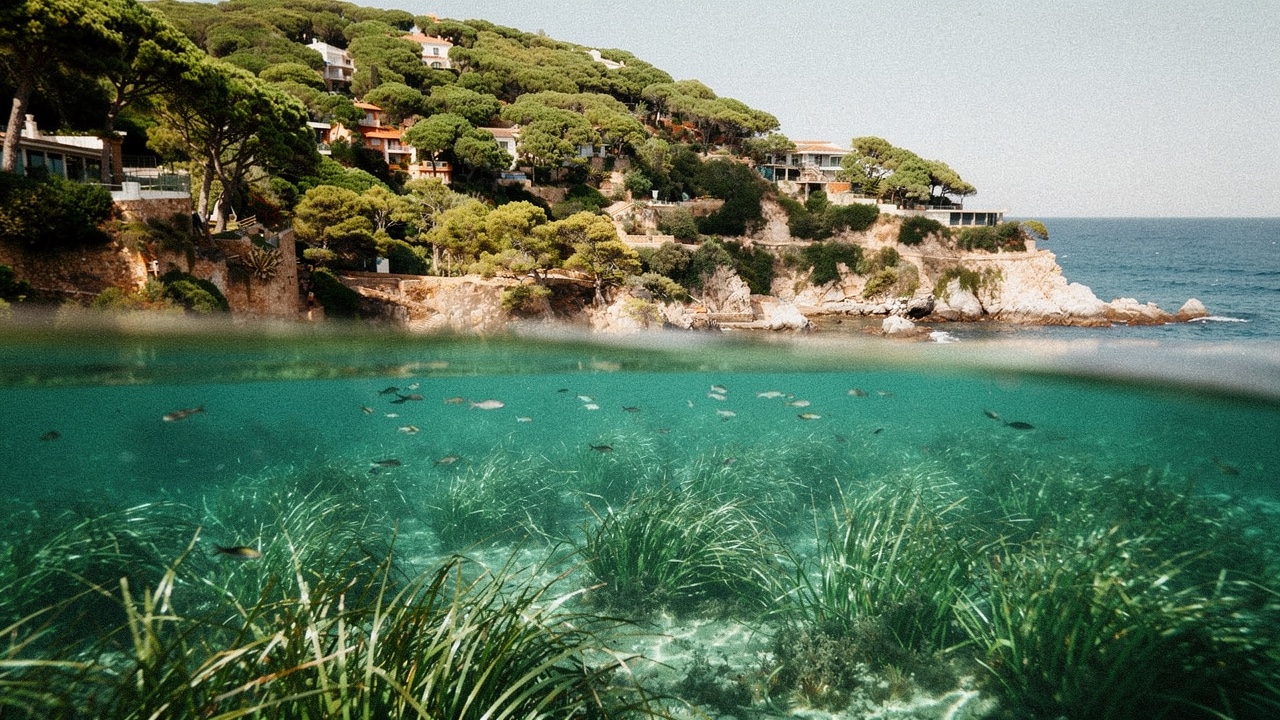
The rocky bottoms of the Blanes-Lloret stretch are among the best on the southern Costa Brava for snorkelling: shallow water, plenty of life, dense marine vegetation and water that stays clear most of the summer. This guide covers the six spots that genuinely deliver — the ones worth the effort — and the guided diving options if you want to go deeper than 5 metres.
Works whether you’re heading out with your own fins from the beach or want a skippered trip with kit included. Each option has its audience and its price.
The 6 best snorkelling spots
1. Cala Portopí
The best-known spot and, honestly, the best one to start with. A small cove north of Blanes (technically already in Lloret) with rocky bottoms at 1–4 metres, dense posidonia on the edges and rock-dwelling fish everywhere: sea bream, salema, young gilthead, the occasional starfish.
It’s the cove where guided trips stop. If you’re going independently, try to get there early (before 11:00) to have the area almost to yourself.
2. Sa Forcanera
A middle-ground cove between Blanes and Lloret. Mixed bottoms: sand in the centre, rock at the sides. Depths from 2 to 6 metres. Usually less busy than Portopí and the water quality is similar.
3. Cala Sant Francesc
Blue Flag, accessible on foot. Although it’s the most touristy cove on the stretch, the rocky sides (north and south of the sandy zone) have good snorkelling bottoms: small grouper and, with luck, gilthead passing through. Better first thing in the morning.
4. Punta Santa Anna
Not a cove, a rocky point northeast of the harbour. Only accessible by boat. The bottoms drop to 8–12 metres, with rock walls covered in algae and bigger fish (drum, the occasional sea bass). More demanding for snorkelling; ideal for freediving.
5. Cala Bona
Wild cove, sandy bottom but with rocky sections. The right-hand side (facing the sea) has algae-covered rocks with small fish. Good for a relaxed snorkel after dropping anchor.
6. Northern flank of Sa Palomera
Skirting the iconic rock outcrop of Blanes. Rocky bottoms at 3–7 metres, plenty of life. Reachable by boat or by swimming from the marina. Watch for boat traffic (this isn’t a designated swimming zone).
Diving: real options in Blanes
The bottoms along this stretch deliver several dive spots from 12–15 metres, all with rocky walls and posidonia. It’s not a wreck-diving destination or a place of famous shipwrecks, but Mediterranean marine life is well represented.
Dive centres in the Blanes-Lloret area:
- Local PADI/SSI dive centres — Glaucus Diving Blanes, Lloret Diving and similar run Discover Scuba sessions, Open Water courses and trips for certified divers. Typical prices: pool + sea Discover Scuba from 60 €, a two-dive trip from 80–100 €.
- Combined trips with snorkelling plus an introduction to the underwater world for non-divers: these run out of the harbour, varying by operator.
If you don’t have a certification but want to go down, the Discover Scuba option is the right one: a guided dive at 5–8 metres with an instructor, no previous experience required.
If you’d rather a guided trip with kit included
For groups, families or anyone who doesn’t want to handle a boat or kit, the honest option is a guided trip with snorkelling included. The most relevant out of Blanes:
Atlantis Experience (featured)
Offers a guided tour with swim and snorkelling stops at Cala Portopí on a wide 24 m vessel with a bar, toilets and shaded areas. 4.9★ on Google with 320+ reviews. The typical departure runs 3 hours (out + 1 h at anchor + back), includes snorkelling kit, swim mats and bilingual ES/EN commentary. 100% cancellation in the event of rain.
It’s the most convenient option if you’re going with kids or no-one in the group wants to take the helm. Atlantis Experience runs most of the summer (April–October) with several departures a day.
Other group trip options
- Local tourist catamarans — some seasons see catamarans running similar stops (Portopí, Sa Forcanera). Best to ask at the harbour ticket office on the day, since operators change.
- Regular coastal lines (like Dofí Jet Boats when active) — more transport-focused than snorkel-focused.
- Private skippered hire — some rental companies also offer skippered boats if you’re in a group and don’t want to pilot.
Simple rule of thumb: if you’re four or fewer, hiring a no-licence boat and going snorkelling independently usually works out cheaper. If you’re more than six, a guided trip pays off.
What to bring (and what they provide)
| Kit | Independent | Guided trip |
|---|---|---|
| Snorkel and mask | Your own | Included |
| Fins | Your own | Almost always included |
| Wetsuit | Optional | No (water’s warm in summer) |
| Drinks and food | Yours | Usually included |
| Towel | Yours | Yours |
| Sunscreen | Yours | Yours |
| Waterproof camera | Yours | Yours |
Practical tip: if you’re going independently and you’ll snorkel more than once on the trip, buy your own kit. The comfort gap between a budget snorkel and a mid-range one is huge, and you’ll use it for years.
Best months for snorkelling and diving
| Month | Water temperature | Visibility | Crowds |
|---|---|---|---|
| May | 18–19 °C | Excellent | Low |
| June | 20–22 °C | Very good | Medium |
| July | 23–25 °C | Good | High |
| August | 24–26 °C | Variable | Very high |
| September | 22–24 °C | Excellent | Medium |
| October | 19–21 °C | Very good | Low |
Honest pick: June and September are the sweet spot. Water at a good temperature, high visibility and far fewer people than in August. May is ideal for diving (maximum visibility) but the water is still fresh for snorkelling without a wetsuit.
Frequently asked questions
Do I need to be a strong swimmer for snorkelling? You need the basics. It’s not diving, but you’re floating in water 2–5 metres deep and you need to move comfortably. With small kids, a buoyancy aid is non-negotiable.
Is a wetsuit needed in summer? Not essential from July to September. In May and October, a shorty wetsuit (3 mm) helps you stay in longer.
Can you snorkel from Blanes beach? The main Blanes beach and S’Abanell are flat sand with little structure: low marine life, low visibility. For proper snorkelling you need to head to the coves (Sant Francesc onwards).
Do you see octopus in Blanes? Yes, but it takes patience and knowing where to look (rocks with small openings, usually at dawn or dusk). In summer they show up more around midday because of the water temperature.
Is spearfishing allowed? Yes, with the regional recreational fishing permit (online via the Generalitat website, around 25 €/year). There are minimum-size and species restrictions. Spearfishing with scuba is not allowed — freediving only.
In short
If your plan is relaxed snorkelling, Cala Portopí on a guided trip with kit included is the friction-free option. If you have your own boat or you’re going to hire one, stops at Cala Bona, Cala Treumal and Sa Forcanera give you a full day. For diving, the local centres cover Discover Scuba and regular trips; book ahead in July–August.
To combine snorkelling with a full boat route, have a look at what to do in Blanes from the sea or at the best anchorages in Blanes to plan the stops.